Role of CO2 in Transforming the Food Industry Landscape
- Wolfpack Environmental Solutions

- Nov 4, 2025
- 3 min read
The food industry is a complex web that weaves together various processes to provide safe, nutritious, and attractive products to consumers. Among the many vital elements in this intricate system, carbon dioxide (CO2) is often overlooked. This post shines a light on the versatile role of CO2 in the food industry, examining its applications, benefits, and groundbreaking ways it enhances food preservation, packaging, and production.
The Science Behind CO2 in Food Preservation
Carbon dioxide is a natural gas that has been used in food preservation for many years. Its ability to slow the growth of bacteria and fungi is key to extending the shelf life of different food products.
When CO2 is dissolved in water, it transforms into carbonic acid, which lowers the pH. This acidic environment prevents spoilage organisms from thriving, which helps keep food fresh and high-quality. For instance, studies have shown that using CO2 in modified atmosphere packaging (MAP) can extend the shelf life of leafy greens by up to 30%. By replacing oxygen with CO2 in packaging, fruits and vegetables breathe more slowly, which significantly delays spoilage.

CO2 in Carbonated Beverages
One of the most familiar uses of CO2 is in carbonated beverages. The fizz in sodas, sparkling waters, and beers comes from CO2 being dissolved under pressure.
This not only adds a delightful sensory experience but also acts as a natural preservative. The carbonation process helps inhibit bacteria, allowing beverages to stay fresh longer. In fact, research indicates that carbonated beverages can maintain their quality for up to a year if stored properly.
Moreover, CO2 is also used in the extraction of flavors and aromas during beverage production, enhancing the taste profile significantly. For example, coffee and tea companies often use CO2 to extract high-quality flavors without the harshness that typical methods might bring.

Innovations in Food Packaging
As the food industry evolves, so do packaging methods. CO2 is instrumental in creating smart packaging solutions that can track the freshness of food products.
These advanced packages often include sensors that monitor gas composition changes, which provide real-time updates on food quality. When CO2 levels increase, it signals potential spoilage, allowing consumers to make informed decisions before consumption.
For instance, a study found that using smart packaging can reduce food waste by up to 30% by ensuring consumers use products before they spoil. This technology not only improves food safety but also addresses a critical issue in today's world of excess waste.
The Role of CO2 in Food Production
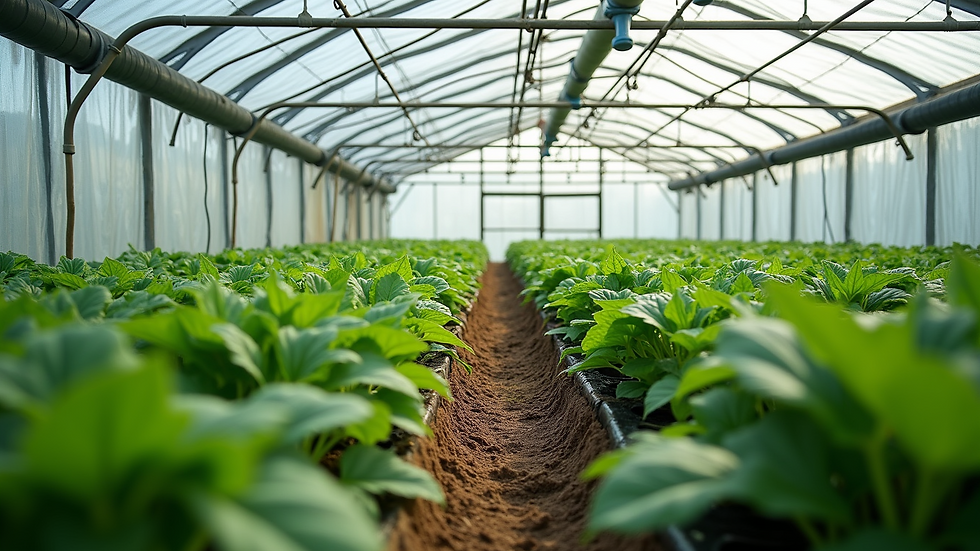
Beyond preserving and packaging, CO2 is a cornerstone in food production processes. In controlled environment agriculture (CEA), farmers enrich greenhouses with CO2 to boost plant growth.
By elevating CO2 concentrations, farmers can increase photosynthesis rates, resulting in yields that are up to 50% higher compared to traditional farming methods. This is a game changer in areas with limited farmland.
Additionally, CO2 is vital in the cultivation of algae and other microorganisms, which can provide sustainable food sources and ingredients. These organisms can be grown to produce proteins and oils, helping create a more sustainable food system.
Environmental Considerations
While CO2 has many benefits in the food industry, we must also consider its environmental impact. The production of CO2, especially from fossil fuels, contributes to greenhouse gas emissions and climate change.
However, the food industry is increasingly seeking ways to capture CO2 emissions from other processes. This approach can transform a potential pollutant into a valuable resource. For example, companies that use carbon capture and utilization techniques can limit waste and promote sustainability within the industry.
Summing It All Up
The significance of CO2 in the food industry is extensive and varied. From enhancing food preservation and packaging to improving agricultural productivity, CO2 is essential for efficiency and sustainability in modern food systems.
As the industry continues to innovate and adapt to new demands, the use of CO2 will likely expand, leading to new technologies and practices that prioritize safety, quality, and sustainability.
Understanding the hidden role of CO2 in reshaping the food industry is crucial for everyone, from producers to consumers. Recognizing its importance helps us better understand the complexities of food production and preservation in today's world.
Contact info@wolfpackenvironmentalsolutions.com for CERS assistance.



Comments