Understanding TIUGA Tanks in Underground Storage and Environmental Compliance Requirements
- Wolfpack Environmental Solutions

- 1 day ago
- 3 min read
Underground storage tanks (USTs) play a crucial role in storing liquids such as petroleum products, chemicals, and hazardous substances safely below ground. Among these, TIUGA tanks have gained attention for their specific design and compliance features. Understanding what TIUGA tanks are, how they function, and the environmental regulations that govern their use is essential for businesses, environmental professionals, and regulators alike.
This post explores the nature of TIUGA tanks, their role in underground storage, and the key environmental compliance requirements that ensure safe and responsible use.
What Are TIUGA Tanks?
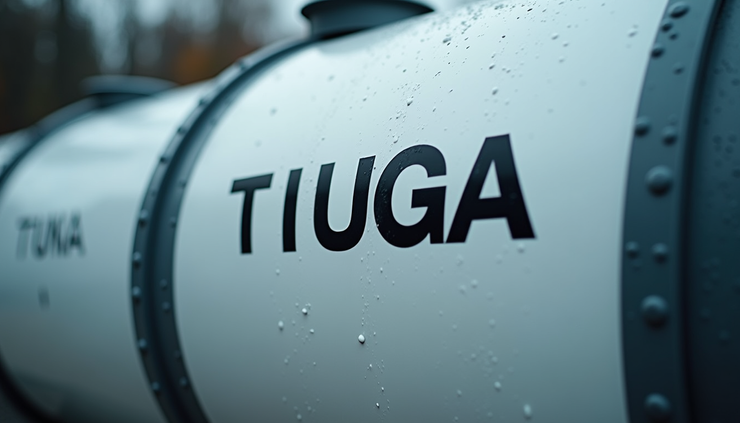
TIUGA tanks are a type of underground storage tank designed with advanced features to enhance safety, durability, and environmental protection. The acronym TIUGA stands for Thermoplastic Integrated Underground Gasoline Apparatus, although the term is often used more broadly to describe tanks with specific thermoplastic linings or composite materials.
Key Characteristics of TIUGA Tanks
Material Composition: TIUGA tanks typically use thermoplastic materials such as high-density polyethylene (HDPE) or composite layers that resist corrosion and chemical degradation.
Double-Walled Construction: Many TIUGA tanks feature double walls, providing secondary containment to prevent leaks from reaching the environment.
Leak Detection Systems: Integrated sensors and monitoring systems detect leaks early, reducing the risk of soil and groundwater contamination.
Compatibility: Designed to store gasoline, diesel, and other petroleum products safely, TIUGA tanks are compatible with a range of fuels and chemicals.
These features make TIUGA tanks a preferred choice for underground storage in industries where environmental safety is a priority.
Why Underground Storage Tanks Matter
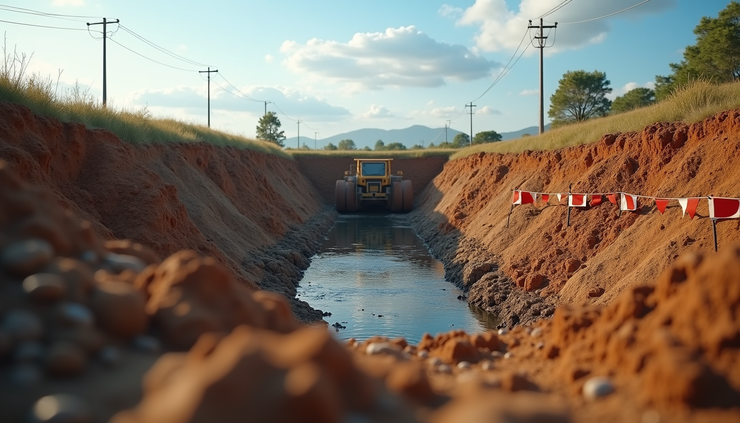
Underground storage tanks are widely used at gas stations, industrial sites, and commercial facilities to store fuels and hazardous liquids. Their underground placement saves space and reduces fire hazards compared to above-ground tanks. However, USTs pose environmental risks if they leak, contaminating soil and groundwater.
TIUGA tanks address these risks with their advanced design, but compliance with environmental regulations remains critical to prevent pollution and ensure public safety.
Environmental Compliance Requirements for TIUGA Tanks
Environmental regulations for underground storage tanks vary by country and region but generally focus on preventing leaks, monitoring tank integrity, and ensuring proper installation and maintenance.
Key Compliance Areas
Installation Standards
TIUGA tanks must be installed according to strict guidelines that include proper site preparation, backfilling with suitable materials, and ensuring secondary containment. Installation must be performed by certified professionals to meet safety standards.
Leak Detection and Monitoring
Regulations require continuous or frequent leak detection methods. TIUGA tanks often incorporate electronic sensors that alert operators to leaks immediately. Regular manual inspections and testing are also mandated.
Corrosion Protection
Although TIUGA tanks use corrosion-resistant materials, additional cathodic protection may be required depending on soil conditions and tank materials.
Record Keeping and Reporting
Operators must maintain detailed records of tank inspections, maintenance, and any incidents. Reporting leaks or failures promptly to environmental authorities is mandatory.
Tank Closure and Removal
When a TIUGA tank reaches the end of its service life, it must be properly closed or removed following environmental protocols to prevent residual contamination.
Examples of Regulatory Frameworks
United States: The Environmental Protection Agency (EPA) regulates USTs under 40 CFR Part 280, which includes requirements for leak detection, spill prevention, and corrective actions.
European Union: The EU’s Industrial Emissions Directive and local member state laws govern USTs with a focus on environmental impact and safety.
Other Regions: Many countries have adopted similar standards emphasizing leak prevention, monitoring, and environmental protection.
Benefits of Using TIUGA Tanks
Choosing TIUGA tanks for underground storage offers several advantages:
Enhanced Environmental Safety
Their materials and design reduce the risk of leaks and contamination.
Longer Service Life
Thermoplastic materials resist corrosion better than traditional steel tanks.
Simplified Compliance
Integrated leak detection and secondary containment help meet regulatory requirements more easily.
Cost Savings
Reduced risk of environmental cleanup and fines lowers long-term costs.

Practical Tips for Managing TIUGA Tanks
To maintain compliance and protect the environment, operators should:
Schedule regular inspections and maintenance checks.
Train staff on leak detection and emergency response.
Use certified contractors for installation and repairs.
Keep detailed records of all tank-related activities.
Stay updated on local and national regulations.
TIUGA tanks represent a significant step forward in underground storage technology, combining durable materials and smart design to protect the environment. Understanding their features and the compliance requirements helps operators manage risks effectively and maintain safe storage practices.
Contact www.wolfpackenvironmentalsolutions.com (562) 231-7339 for any CUPA or DTSC compliance assistance.


Comments