Understanding Biodiesel and Its Compliance with Aboveground Petroleum Storage Act

Wolfpack Environmental Solutions
Biodiesel has gained attention as a cleaner alternative to traditional petroleum fuels. As its use grows, questions arise about how it fits within existing regulations, especially those designed for petroleum products. One key regulation is the Aboveground Petroleum Storage Act (APSA), which governs the storage of petroleum to prevent environmental hazards. This post explores what biodiesel is, its characteristics, and whether it qualifies under APSA regulations.

What Is Biodiesel?
Biodiesel is a renewable fuel made from natural oils and fats. It is produced through a chemical process called transesterification, which converts vegetable oils, animal fats, or recycled cooking oils into fatty acid methyl esters (FAME). These esters serve as a substitute for petroleum diesel.
Key Characteristics of Biodiesel
Renewable source: Made from plants or waste products, reducing reliance on fossil fuels.
Biodegradable: Breaks down more quickly in the environment compared to petroleum diesel.
Lower emissions: Produces fewer pollutants such as carbon monoxide, particulate matter, and unburned hydrocarbons.
Compatibility: Can be used in diesel engines with little or no modification, often blended with petroleum diesel in various ratios (e.g., B20 is 20% biodiesel).
Biodiesel’s chemical structure differs from petroleum diesel, which affects how it behaves in storage and handling.
Why Storage Regulations Matter
Storing fuels safely is critical to prevent leaks, spills, and contamination of soil and water. The Aboveground Petroleum Storage Act (APSA) was created to regulate the storage of petroleum products above ground. It sets standards for tank design, spill prevention, leak detection, and emergency response.
What Does APSA Cover?
Types of products: APSA typically applies to petroleum and petroleum-based products.
Storage facilities: Aboveground tanks storing regulated substances.
Environmental protection: Measures to avoid contamination of groundwater and soil.
Reporting and compliance: Requirements for inspections, record-keeping, and spill reporting.
Understanding whether biodiesel falls under APSA is important for businesses and individuals who store it in aboveground tanks.
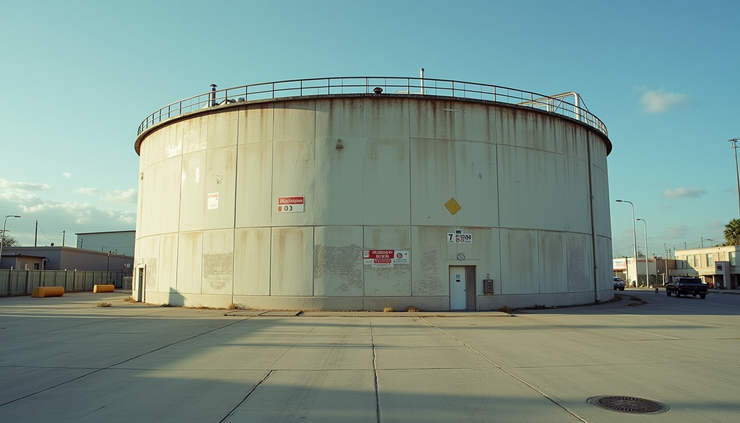
Does Biodiesel Qualify Under the Aboveground Petroleum Storage Act?
The classification of biodiesel under APSA depends on how the law defines petroleum products and the chemical nature of biodiesel.
Legal Definitions and Interpretations
APSA generally defines petroleum products as substances derived from crude oil or refined petroleum.
Biodiesel, being derived from biological sources rather than crude oil, may not fit the strict definition of petroleum.
Some jurisdictions explicitly include biodiesel or biofuels in their petroleum storage regulations, while others exclude them or treat them separately.
Practical Considerations
Blended fuels: Biodiesel is often blended with petroleum diesel. For blends above a certain percentage (commonly 20%), the fuel may be treated differently under regulations.
Storage risks: Biodiesel is less toxic and more biodegradable, but it can still pose risks such as microbial growth in tanks or material compatibility issues.
Regulatory guidance: Agencies may issue specific guidance on how to handle biodiesel storage in relation to APSA.
Examples from States and Agencies
Some U.S. states include biodiesel blends above B20 under APSA.
The Environmental Protection Agency (EPA) provides guidelines for biofuel storage but may defer to state regulations for APSA compliance.
Facilities storing pure biodiesel (B100) might not be subject to APSA but should follow other environmental and safety standards.
Best Practices for Storing Biodiesel
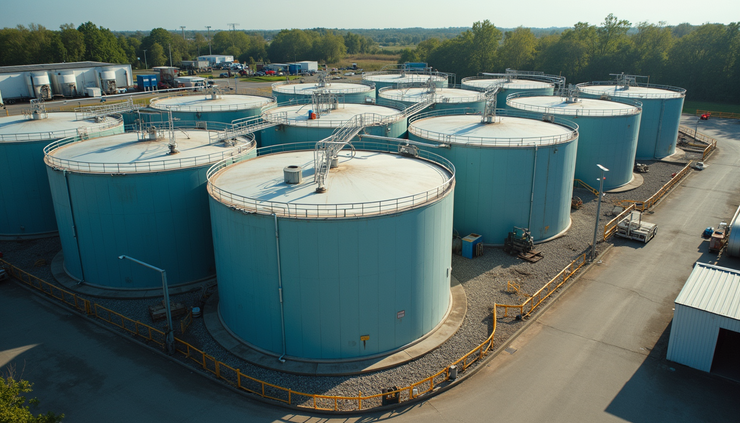
Even if biodiesel is not always regulated under APSA, safe storage is essential to maintain fuel quality and protect the environment.
Tank Material and Design
Use tanks compatible with biodiesel to prevent corrosion or degradation.
Stainless steel or fiberglass tanks are preferred over carbon steel for pure biodiesel.
Preventing Contamination
Regularly inspect tanks for water accumulation, which can promote microbial growth.
Use filters and separators to remove impurities.
Monitoring and Maintenance
Conduct routine testing of fuel quality.
Clean tanks periodically to remove sludge or microbial buildup.
Spill Prevention
Implement secondary containment systems.
Train personnel on proper handling and emergency response.
Summary
Biodiesel offers a renewable, cleaner alternative to petroleum diesel, but its classification under the Aboveground Petroleum Storage Act varies depending on legal definitions and local regulations. While biodiesel is not petroleum in the traditional sense, blends containing petroleum diesel often fall under APSA rules. Regardless of regulatory status, proper storage practices are vital to ensure safety and environmental protection.
Contact www.wolfpackenvironmentalsolutions.com (562) 231-7339 for any CUPA or DTSC compliance assistance.


일상에서 필요한 결제 방법을 더욱 간단하게 만들어주는 부분이 인상적입니다. 안전한 절차와 쉬운 이용 흐름이 장점이며 상품권소액결제를 활용하면 작은 금액도 계획적으로 관리할 수 있어 실용성이 높은 방법이라고 생각합니다.
피로가 많은 날에도 편하게 이용할 수 있어 만족했습니다. 전문적인 관리 과정과 안정적인 서비스가 돋보였고 성남출장마사지 이용 후 휴식 효과를 충분히 느낄 수 있었습니다.
이용 과정이 간단하고 업무 설명이 명확해서 부담 없이 시작할 수노래방알바 관련 후기도 많아 참고하기 좋았고 실제 근무 환경도 설명과 비슷해 만족스러운 경험이었습니다.