Understanding Sewage Treatment Plants: A Key to Environmental Health
- Wolfpack Environmental Solutions

- Sep 11, 2025
- 3 min read
Updated: Oct 7, 2025
The Importance of Sewage Treatment
Sewage treatment plays a vital role for various reasons. Primarily, untreated sewage can cause significant health risks, including the spread of waterborne diseases. For example, the World Health Organization reports that over 2 billion people globally fall ill from contaminated water each year. Additionally, treated water can be reused for irrigation or industrial purposes. According to the Water Research Foundation, up to 50% of municipal water supplies could be replaced with recycled water, promoting sustainability.
The Treatment Process
The sewage treatment process generally consists of several stages: preliminary treatment, primary treatment, secondary treatment, and sometimes tertiary treatment. Each stage is essential for effectively removing contaminants from wastewater.
Preliminary Treatment
The first step in sewage treatment is preliminary treatment. This phase involves removing large debris and solids through screening and grit removal. Screens capture larger objects like sticks and plastic, while grit chambers allow sand and gravel to settle. This initial step safeguards equipment used in the following stages, ensuring efficient operations.
Primary Treatment
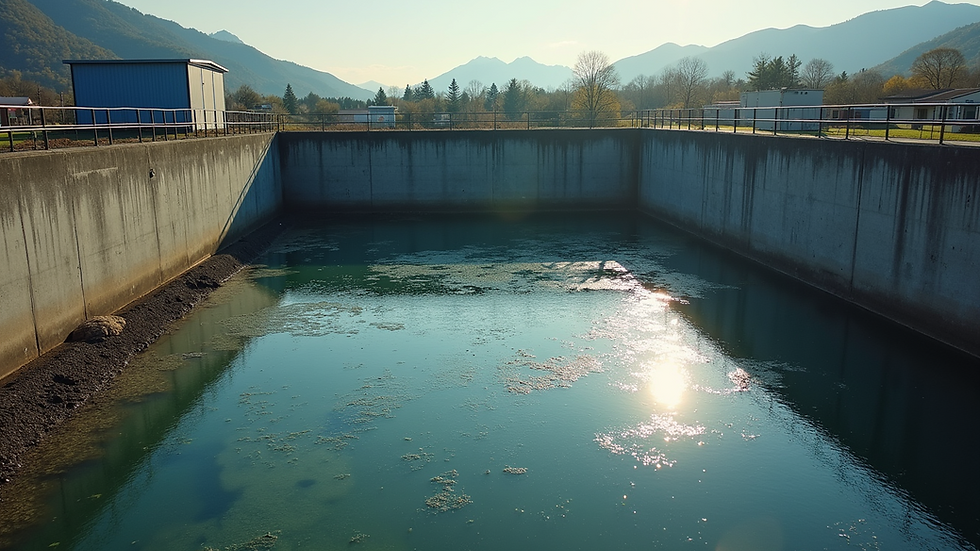
Once preliminary treatment is complete, wastewater moves to primary treatment. Here, large settling tanks hold sewage, allowing heavier solids to sink and form sludge. Meanwhile, lighter materials like oils and grease float to the surface, where they are skimmed off. This process often removes 50-70% of suspended solids and organic matter, significantly improving water quality.
Secondary Treatment
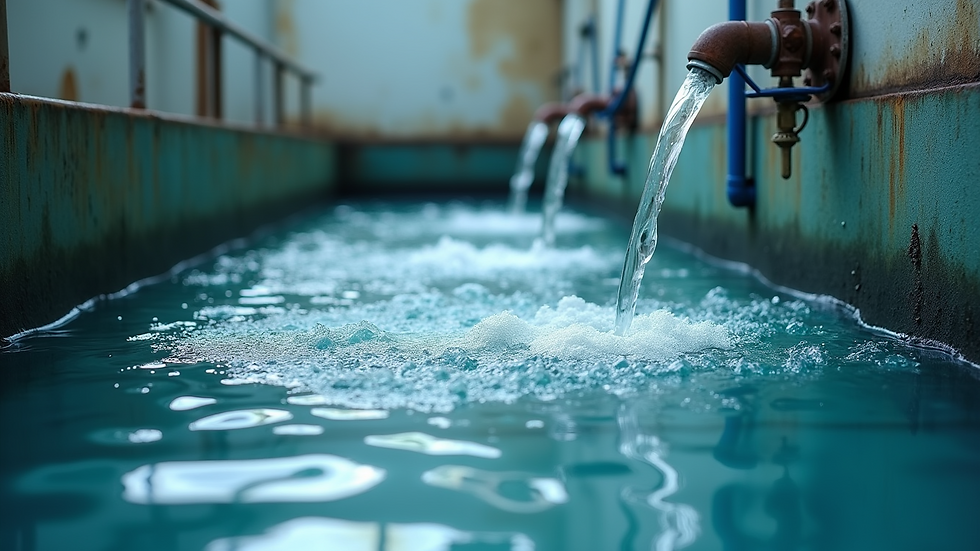
During secondary treatment, biological processes become central to further breaking down organic matter. Microorganisms, especially bacteria, play a key role in this stage. The wastewater is aerated to provide oxygen, promoting bacterial growth. As bacteria consume the organic materials, they form clumps called flocs, which can be removed through sedimentation. This stage can remove up to 90% of the organic matter.
Tertiary Treatment
Tertiary treatment may follow in some plants, aiming to further refine the water quality. This stage can include additional filtration, chemical treatments, or disinfection methods like chlorination or ultraviolet exposure. For instance, UV disinfection can reduce pathogens by over 99%, ensuring the treated water is safe for environmental release or reuse.
The Role of Bacteria in Sewage Treatment
Bacteria serve as the unsung heroes in sewage treatment plants. These microorganisms break down organic matter, transforming it into simpler substances. Different bacteria types are utilized for various treatment stages. Aerobic bacteria thrive with oxygen, while anaerobic bacteria operate in low-oxygen environments. Maintaining a healthy balance of these bacteria is vital for the overall efficiency of sewage treatment.
Sludge Management: An Essential Component
After the treatment process concludes, the sludge that settles out during primary and secondary treatment needs management. This sludge can undergo anaerobic digestion, where bacteria break it down to produce biogas, which can be used for energy. The remaining product can be dewatered and utilized as fertilizer or safely disposed of in landfills.
Environmental Impact of Sewage Treatment
Treated water from sewage treatment plants is typically released into rivers, lakes, or oceans after ensuring compliance with strict regulatory standards. For instance, the Environmental Protection Agency mandates rigorous water quality testing before discharge. Properly treated sewage can help sustain aquatic ecosystems and support recreational activities like swimming and fishing.
Innovations in Sewage Treatment Technology
As technology evolves, so do sewage treatment methods. Innovations such as membrane bioreactors, advanced oxidation processes, and real-time monitoring systems are enhancing efficiency and minimizing environmental impacts. For example, membrane bioreactors can achieve a 99% reduction in contaminants, improving the quality of treated water. These advancements not only enhance treatment effectiveness but also promote the sustainable operation of treatment plants.
Community Awareness and Engagement
Raising awareness about sewage treatment is essential. Communities should understand the importance of these plants and the role they play in public health. Educational programs can help inform residents about proper waste disposal and the impact of their actions on water quality. Engaging the community fosters a sense of responsibility and encourages support for local sewage treatment initiatives.
Final Thoughts on Sewage Treatment
Sewage treatment plants are essential to maintaining public health and environmental integrity. By comprehending their operational processes, we can recognize the intricate efforts involved in cleaning sewage and the importance of preserving our water systems. As technology continues to advance, the future of sewage treatment appears promising, with innovations poised to enhance our capacity for managing wastewater sustainably.
Next time you flush a toilet or wash your hands, remember the complex journey that wastewater takes before it returns to the environment. The vital work performed at treatment plants contributes significantly to a cleaner and healthier planet.
In conclusion, understanding sewage treatment processes and their impact on our environment is crucial. By appreciating the role of these facilities, we can support efforts to improve water quality and promote sustainability.



Comments