Essential Guide to UST Underground Storage Tank Inspection Processes

Underground storage tanks (USTs) play a critical role in storing fuels and hazardous substances safely beneath the ground. Yet, these tanks can pose serious environmental and safety risks if they leak or fail. Regular inspection of USTs is essential to prevent contamination, comply with regulations, and extend the lifespan of the tanks. This guide explains the key steps and best practices involved in UST underground storage tank inspection processes, helping owners and operators understand what to expect and how to maintain their tanks effectively.
Why UST Inspection Matters
USTs often contain petroleum products or hazardous chemicals that can leak into soil and groundwater if the tank or its piping fails. Such leaks cause costly environmental damage and pose health risks to nearby communities. Regulatory agencies require regular inspections to detect leaks early and ensure tanks meet safety standards.
Inspection helps to:
Identify corrosion, cracks, or structural damage
Detect leaks before they cause contamination
Verify the integrity of tank components like pipes and fittings
Ensure compliance with local, state, and federal regulations
Plan maintenance or replacement to avoid costly failures
Skipping inspections can lead to fines, cleanup costs, and liability for environmental harm. For this reason, inspections are a vital part of responsible UST management.
Types of UST Inspections
There are several types of inspections used to assess the condition of underground storage tanks. Each method provides different information and suits different stages of tank life.
Visual Inspection
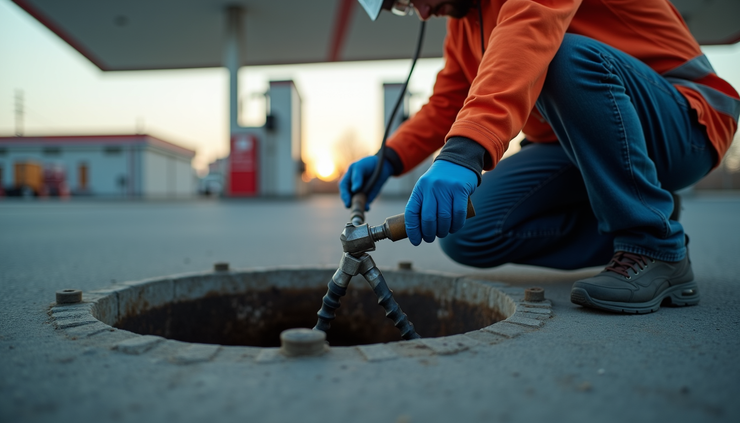
Visual inspection involves examining accessible parts of the tank system, such as fill pipes, vent pipes, and manholes. Inspectors look for signs of corrosion, damage, or improper installation.
Check for cracks, dents, or rust on exposed components
Verify that spill and overfill prevention equipment is in place and functional
Inspect secondary containment areas for leaks or damage
Visual inspections are often the first step and can be performed frequently by trained personnel.
Leak Detection Testing
Leak detection is critical to identify any release of stored substances. Common leak detection methods include:
Interstitial Monitoring: For double-walled tanks, sensors detect leaks between the walls.
Automatic Tank Gauging (ATG): Measures changes in tank volume or pressure to detect leaks.
Statistical Inventory Reconciliation (SIR): Uses inventory data and delivery records to identify discrepancies.
Groundwater Monitoring: Samples soil and water around the tank for contamination.
Each method has specific requirements and sensitivity levels. Combining multiple methods improves reliability.
Integrity Testing
Integrity testing evaluates the physical condition of the tank and piping. Techniques include:
Hydrostatic Testing: Filling the tank with water to check for leaks under pressure.
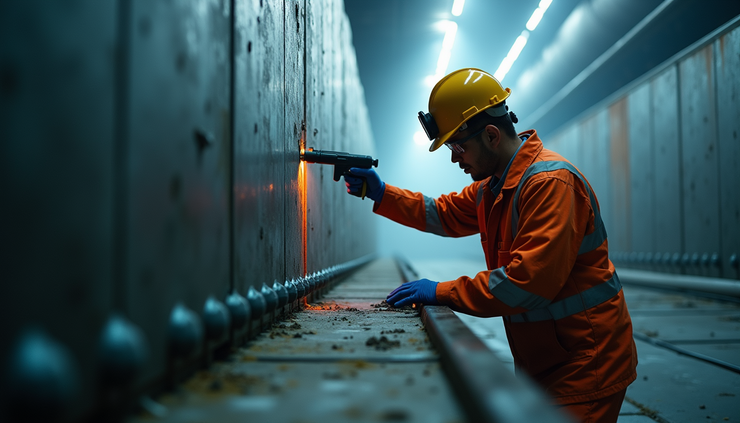
Ultrasonic Testing: Using sound waves to measure tank wall thickness and detect corrosion.
Magnetic Flux Leakage (MFL): Detects metal loss and defects by measuring magnetic fields.
Pressure Testing: Applies pressure to piping to check for leaks.
These tests require specialized equipment and trained inspectors. They are usually performed during installation, major repairs, or when tanks reach a certain age.
Preparing for a UST Inspection
Proper preparation ensures inspections go smoothly and provide accurate results. Tank owners should:
Review previous inspection and maintenance records
Ensure all tank components are accessible and safe to inspect
Notify regulatory agencies if required
Arrange for qualified inspectors with proper certifications
Prepare documentation such as tank design and installation details
Clear communication with inspectors helps address any concerns and speeds up the process.
What Happens During a UST Inspection
A typical inspection process includes several key steps:
Site Assessment: Inspectors review the tank location, surrounding environment, and any visible signs of leaks or damage.
Equipment Setup: Leak detection and integrity testing equipment is installed and calibrated.
Visual Examination: Inspectors check accessible tank components and containment areas.
Testing Procedures: Leak detection and integrity tests are performed according to standards.
Data Collection: Results from tests and observations are recorded.
Reporting: Inspectors prepare a detailed report outlining findings, recommendations, and any required corrective actions.
The entire process may take several hours to a full day depending on tank size and complexity.
Common Issues Found During Inspections
Inspections often reveal problems that need attention to prevent leaks and failures:
Corrosion: Rust weakens tank walls and piping, increasing leak risk.
Cracks or Dents: Physical damage from soil movement or equipment can compromise integrity.
Faulty Leak Detection Systems: Sensors may malfunction or be improperly installed.
Improper Venting: Blocked or damaged vents can cause pressure build-up.
Secondary Containment Failures: Damage to containment sumps or liners allows leaks to escape.
Addressing these issues promptly protects the environment and avoids costly repairs.
Best Practices for Maintaining USTs
Beyond inspections, regular maintenance helps keep tanks safe and compliant:
Schedule inspections according to regulatory timelines, typically every 3 to 5 years
Keep detailed records of inspections, repairs, and upgrades
Use corrosion protection methods such as cathodic protection systems
Train staff on proper tank operation and emergency procedures
Replace aging tanks before they reach the end of their service life
Proactive maintenance reduces the risk of leaks and extends tank lifespan.

Understanding Regulatory Requirements
UST inspections must comply with regulations set by agencies such as the Environmental Protection Agency (EPA) in the United States. Key requirements include:
Regular leak detection and integrity testing
Spill and overfill prevention equipment
Secondary containment for new tanks
Proper recordkeeping and reporting
Immediate response to detected leaks
Regulations vary by location, so tank owners should consult local authorities to ensure compliance.
Final Thoughts on UST Inspection
Regular inspection of underground storage tanks is essential to protect the environment, ensure safety, and meet legal requirements. Understanding the inspection process helps tank owners prepare and respond effectively. By combining visual checks, leak detection, and integrity testing, inspections provide a clear picture of tank condition. Following best practices for maintenance and compliance reduces risks and saves money over time.
Contact Wolfpack Environmental Solutions (562) 231-7339 for any CUPA or DTSC compliance assistance.


Comments